A few years ago, Larry and I drove through the Camas Prairie, a wilderness where there are lots more cattle and acreage than people. It was a typical dusty dirt road in Idaho – of which there are many. We drove for miles with only sagebrush, dirt and stones as our scenery.
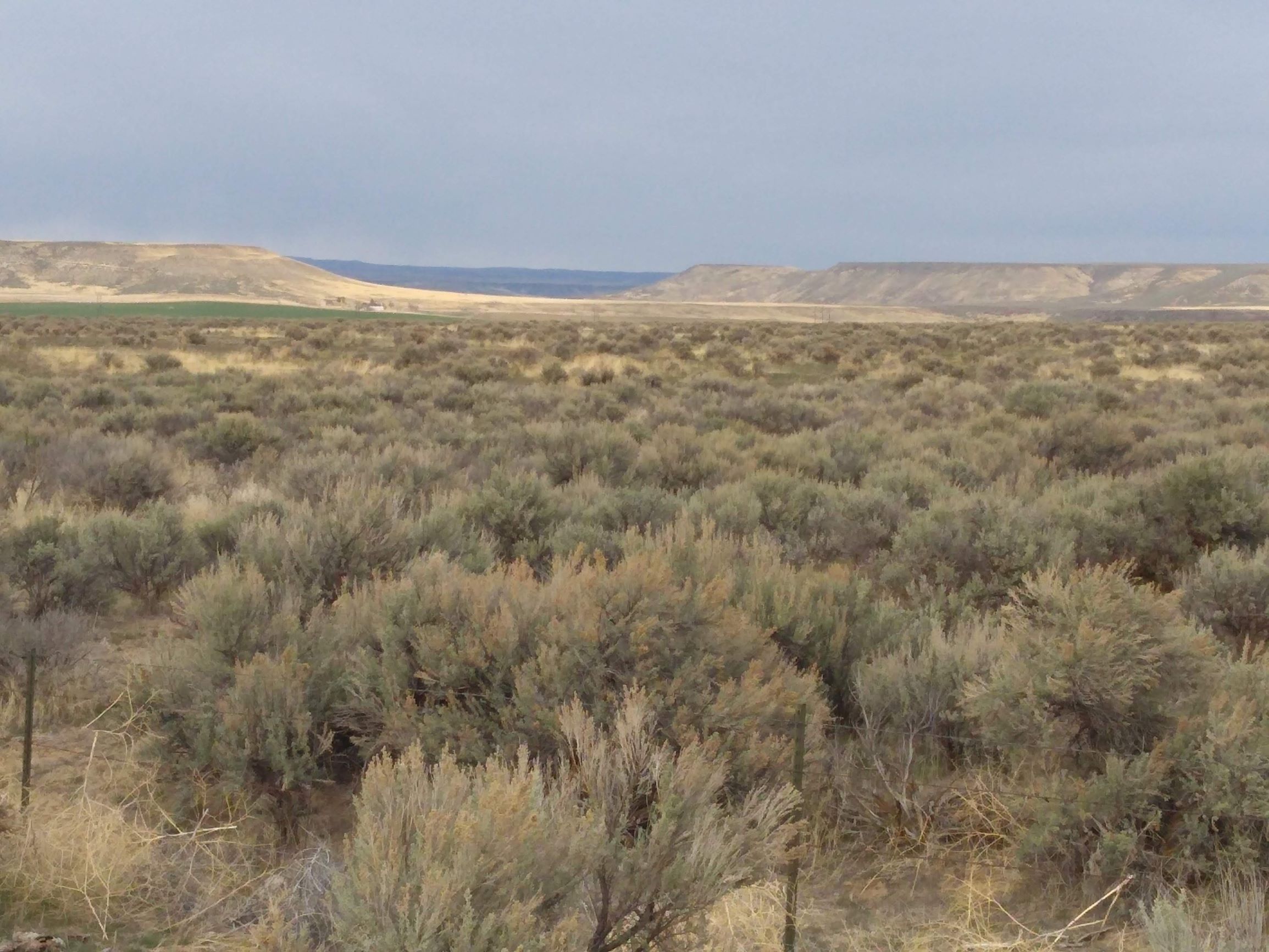
Suddenly we came upon the prettiest little sunflowers lining that dry simple road. I was shocked, wondering how there was enough moisture for them to grow in this parched, deserted country.

As we continued to drive I got thinking about the culture we are now living in daily. It’s a culture of outrage and harsh judgments, where everyone wants their opinion heard, leading to cancel culture, not unlike the stones and sagebrush.
If you don’t agree with me, I will cancel you as a person, I will cut you out of my life and count you as non-human with no value whatsoever.
Once we start thinking of people in this manner, we are simply throwing verbal rocks and dirt at each other. It’s unpleasant, ugly, dangerous and divisive. Whenever a person is labeled only as part of an ethnic people group, a religious ideology or a certain political leaning, we have certifiably canceled them as a human being.
Every society creates dividing lines among people groups, categorizing them into hierarchies of importance according to the powers that be. We have all created caste systems in our own minds toward those we deem worthy or not worthy.

In his book, A Gentle Answer, Scott Sauls gives us a different way to live. He reminds us that Jesus loved us at our worst and if we are followers of Him, we are commanded to love others at their worst. He says,
Jesus has been gentle toward us, so we have good reason to become gentle toward others, including those who treat us like enemies. “You have heard that it was said, ‘You shall love your neighbor and hate your enemy.’ But I say to you, love your enemies and pray for those who persecute you, so that you may be sons of Your Father who is in heaven.” Matt. 5:43-45. Because Jesus has covered all of our offenses, we can be among the least offensive and the least offended people in the world. This is the way of the gentle answer.
Having a gentle answer has nothing to do with being weak. Weakness is often shown in destruction and harm to other people’s bodies and physical property. Weakness is shown by intimidating others, belittling those who disagree. Anyone can let anger overtake their emotions and act in violence, destroying with rage anything in their path. It’s easy to criticize and tear down.
Speaking a gentle answer, especially toward those you disagree with, takes an incredible amount of restraint, a strength that requires the deepest and most courageous kind of faith. A faith that ultimately believes in the justice of God, that He will work good out of evil – but in His time, not ours.

Seeing those delicate beautiful sunflowers among all the dry and brittle sage brush is a reminder of what kind words and a gentle answer look like in our culture of shouting judgments on others. We have no power to change anyone’s opinion or ideology, especially not by belittling and mocking, but we can answer gently.
Lord, give us strength to give a gentle answer and become sunflowers in a desert wasteland of sagebrush and stones.
Recent Comments